
What Businesses Should Know About Commercial Septic and Sewer System Installation
Businesses seeking commercial septic and sewer system installation aim to ensure reliable waste management, and local contractors can provide expert installation tailored to their needs.
Understanding the essentials of commercial septic and sewer system installation is a key step for business owners looking to ensure their property operates smoothly and efficiently. Whether establishing a new facility or upgrading an existing one, knowing what to consider can help prevent costly issues down the line. Property owners in the area often explore this topic to ensure compliance with local regulations, avoid service disruptions, and maintain a clean, functional environment for employees and customers alike. Local contractors who specialize in commercial septic and sewer systems are equipped to guide businesses through the process, offering insights that align with the specific needs of commercial properties.
Keeping informed about the practical aspects of septic and sewer system installation can also support long-term planning and operational stability. Businesses that understand the scope of work involved and the importance of proper installation are better prepared to work with experienced service providers who can handle the complexities of the job. This knowledge helps property owners make informed decisions, ensuring their systems are installed correctly and maintained properly. As a result, businesses can focus on their core operations while trusted local contractors manage the technical details of their commercial septic and sewer needs.
Get Quotes for Commercial Septic And Sewer System Installation
- Commercial septic system installation - businesses planning to establish or upgrade facilities in areas without existing sewer connections may need local contractors to install or replace septic systems.
- Sewer system installation - new commercial developments or property expansions often require professional sewer system setup to ensure proper waste management.
- Septic tank replacement or upgrades - older septic systems nearing capacity or failing components may need expert installation of modern, efficient tanks handled by local service providers.
- Septic system repair and maintenance - businesses experiencing drainage issues or backups can work with local pros to evaluate and perform necessary repairs or system updates.
- Sewer line connection services - properties connecting to municipal sewer lines or rerouting existing lines rely on local contractors to handle precise and code-compliant connections.
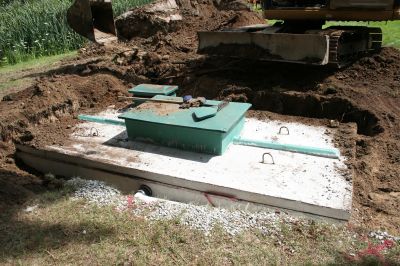
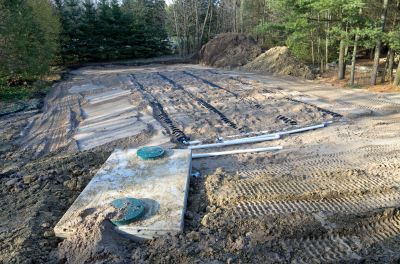
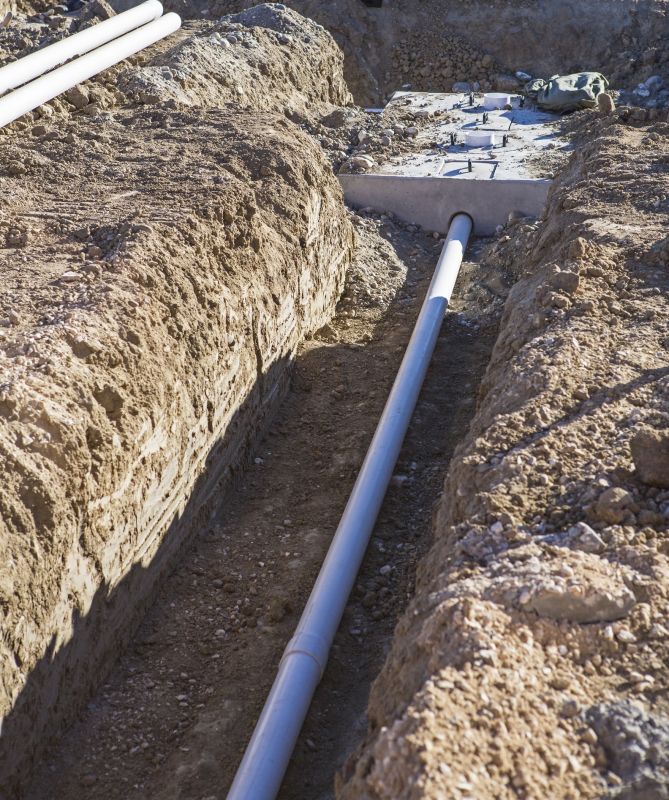
When searching for information about commercial septic and sewer system installation, many people are typically interested in understanding the basics of what the process involves and why it might be necessary for their business property. This topic often comes up when planning new construction, expanding existing facilities, or replacing outdated waste management systems. Business owners want to know how these systems work, what factors influence installation requirements, and how to ensure the setup complies with local regulations. Recognizing these needs helps property owners connect with service providers capable of delivering tailored solutions that match the specific demands of their commercial operations.
Commercial septic and sewer system installation relates to a variety of property types and operational plans. For businesses located in rural or semi-rural areas without access to municipal sewer lines, installing a septic system might be essential for waste management. In contrast, some commercial properties in urban settings may require extensive sewer connections or upgrades to existing infrastructure. The scope of work can range from installing large-scale systems for industrial facilities to smaller setups for retail centers or office buildings. Understanding the size, capacity, and layout of these systems helps business owners plan effectively and ensures that the chosen installation method aligns with the property’s operational needs.
Many projects connected to commercial septic and sewer system installation involve new construction, property expansion, or upgrades to existing waste management infrastructure. For example, a business opening a new restaurant, manufacturing plant, or warehouse might need a reliable system installed from scratch. Conversely, older buildings undergoing renovations may require the replacement or enhancement of existing septic or sewer facilities. These projects often involve assessing the property’s terrain, soil conditions, and local codes to determine the most suitable system type and installation approach. Local service providers with experience in commercial installations can evaluate these factors and recommend solutions that support the business’s growth and compliance.
Properties that typically come up in discussions about commercial septic and sewer system installation include restaurants, retail centers, office complexes, industrial facilities, and agricultural operations. These properties often generate significant waste volumes and require systems designed to handle higher capacities than residential setups. Additionally, properties in rural areas or those with large land parcels may depend entirely on septic systems rather than municipal sewer connections. Working with experienced local contractors ensures that the installation process considers all relevant factors-such as property size, waste output, and future expansion plans-helping business owners establish a reliable and compliant waste management infrastructure that supports their ongoing operations.
Drain Field Installation - This project involves designing and installing underground drainage systems similar to septic systems, requiring expertise in site assessment and underground piping tools.
Stormwater Management Systems - Installing systems to manage excess rainwater involves planning and construction skills comparable to sewer system setup, with focus on underground infrastructure.
Underground Utility Line Installation - Laying water, gas, or electrical lines shares planning and excavation skills essential for proper sewer and septic system placement.
Wastewater Treatment System Setup - Setting up commercial wastewater treatment units involves similar site evaluation, piping, and system integration skills as septic system installation.
Pump Station Construction - Building pump stations for sewage or stormwater requires technical knowledge of underground piping, electrical connections, and system flow management.
Site Excavation and Grading - Preparing the ground for various underground systems involves excavation techniques and planning skills that support septic and sewer system installation projects.
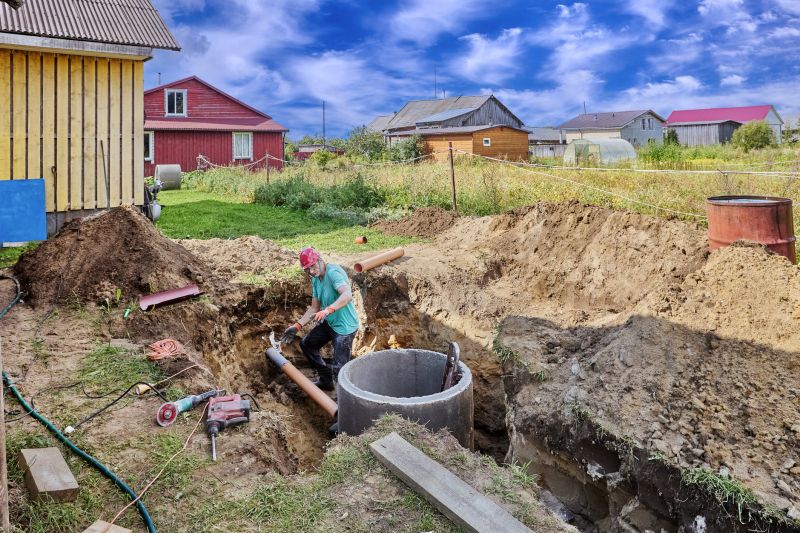
When evaluating service providers for commercial septic and sewer system installation, it is important to consider their experience with similar projects. Contractors who have a proven track record working with businesses of comparable size and industry are more likely to understand the specific requirements and challenges involved. Asking about their past projects can provide insight into their expertise and familiarity with the complexities of commercial systems, helping to ensure that the chosen contractor is capable of delivering a reliable and efficient installation.
Clear written expectations are essential when comparing local contractors for this type of work. A detailed scope of work, including the responsibilities, materials, and timeline, helps prevent misunderstandings and sets a foundation for a smooth project. Service providers who can articulate their process and provide transparent documentation demonstrate professionalism and a commitment to clarity. This clarity allows business owners to make informed decisions and ensures that everyone involved has a shared understanding of what the installation will entail.
Reputable references and effective communication are key factors in choosing a dependable contractor. Speaking with previous clients can reveal how well a service provider manages projects, adheres to commitments, and addresses concerns. Good communication throughout the process ensures that questions are answered promptly and expectations are managed appropriately. When local contractors prioritize clear dialogue and have positive references, it increases confidence that the project will be handled competently and with attention to detail, ultimately supporting a successful installation of the commercial septic and sewer system.
Get a Quote for Commercial Septic And Sewer System Installation
Property owners often search for what businesses should know about commercial septic and sewer system installation when they are planning practical projects around their homes and businesses. Local pros provide Commercial Septic and Sewer System Installation services for everyday jobs and straightforward project options.
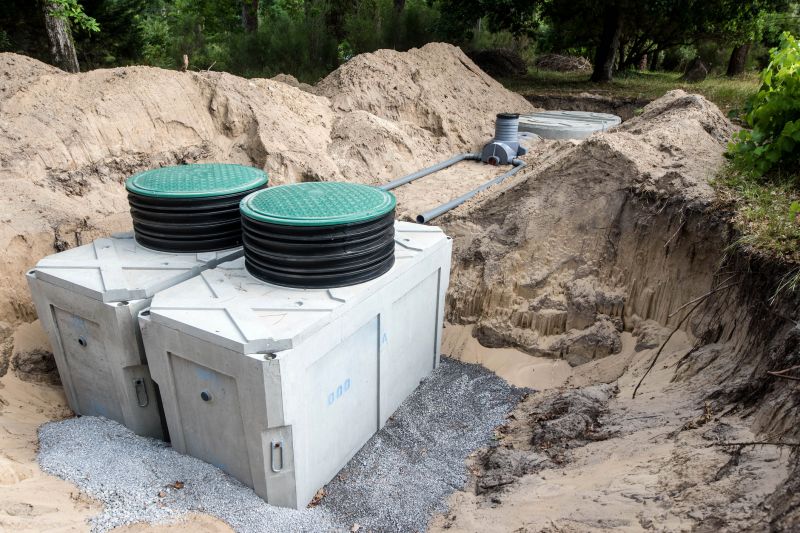

Understanding the essentials of commercial septic and sewer system installation is important for business owners managing properties that lack access to municipal sewer lines or need an upgrade. Everyday situations, such as expanding a facility, establishing a new business location, or replacing an outdated system, often lead property owners to seek professional installation services. Local contractors experienced in commercial systems can help navigate the complexities of site assessments, system design, and proper installation, ensuring the setup meets the specific needs of the business while adhering to local regulations.
Business owners might also look into commercial septic and sewer system installation when planning for future growth or addressing issues with existing systems that are no longer functioning efficiently. Reliable local service providers can evaluate the property’s layout, soil conditions, and capacity requirements to recommend appropriate solutions. Connecting with qualified contractors can help ensure the installation process goes smoothly, minimizing disruptions to daily operations and providing a dependable infrastructure for the business’s sanitation needs.
Get a Quote for Commercial Septic And Sewer System Installation
What should businesses consider before installing a commercial septic or sewer system? Businesses need to assess their property’s size, usage needs, and local regulations to ensure the system meets capacity and compliance requirements. Consulting with local contractors can help determine the most suitable system type and installation approach.
How do local contractors determine the right size and type of system for a business? They evaluate factors such as the number of employees, water usage, and site conditions to select an appropriate system. Proper assessment ensures the system functions efficiently and adheres to local codes.
What are the key steps in the installation process for commercial septic and sewer systems? The process typically involves site evaluation, design planning, permitting, excavation, system installation, and final inspection. Experienced service providers guide businesses through each phase to ensure proper setup.
Why is it important to work with experienced service providers for installation? Experienced contractors understand local regulations, soil conditions, and best practices, helping to prevent issues like system failure or code violations. Their expertise ensures a reliable and compliant installation.
What maintenance considerations should businesses keep in mind after installation? Regular inspections, proper waste management, and prompt repairs are essential for system longevity. Local service providers can offer ongoing support and advice to keep the system functioning properly.
Assess property needs - Understanding the size and usage of a commercial property helps determine the appropriate septic or sewer system requirements, guiding property owners in planning installations with local contractors.
Choose suitable system types - Learning about different septic and sewer options enables property owners to select systems that match their business operations and site conditions, with advice from local service providers.
Plan for proper site placement - Considering the location and layout of a property ensures the septic or sewer system is installed in an accessible and functional area, with guidance from local contractors during project planning.
Understand local regulations - Familiarity with permitting and code requirements helps property owners ensure compliance and smooth approval processes when working with local pros for system installation.
If you are thinking about what businesses should know about commercial septic and sewer system installation for a property, this guide is meant to help you understand this topic, the typical project types, and how different options might fit your plans.
When you are ready, you can use the quote form on this page to share a few details about your project. From there, local pros can review the basics and follow up with options that match what you have in mind.
Get a Quote for Commercial Septic And Sewer System Installation